The robotics industry is evolving at an unprecedented pace, driven by advancements in automation, artificial intelligence, and smart manufacturing. From industrial robots on factory floors to service robots in healthcare and logistics, the need for high reliability motors has never been greater.
The Growing Demand for Reliable Robotics Motors
For robotics suppliers, choosing or designing the right motor is not just about performance—it is about precision, durability, efficiency, and long-term reliability. This is where application-engineered motors come into play. These motors are specifically tailored to meet the unique requirements of robotic systems, ensuring optimal performance in demanding environments.
In this blog, we will explore what makes application-engineered motors essential for robotics suppliers, the key design considerations, and how they contribute to high reliability in real-world applications.
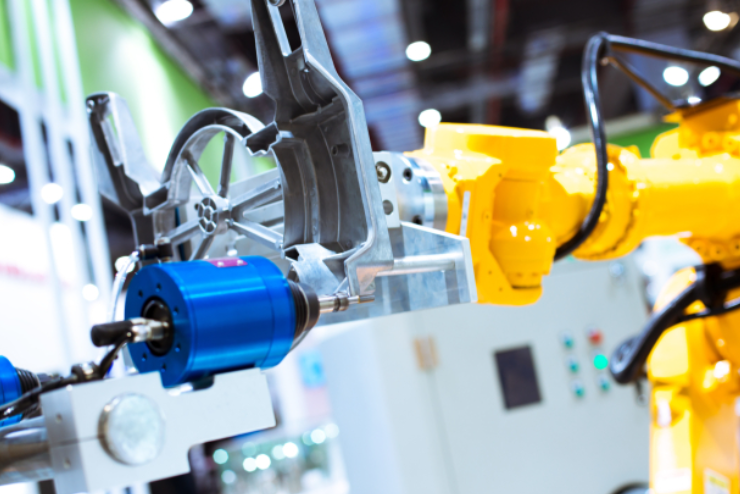
What Are Application-Engineered Motors?
Definition and Core Concept
Application-engineered motors are motors that are custom-designed or optimized for a specific application rather than being off-the-shelf solutions. In robotics, this means tailoring motor characteristics such as torque, speed, size, thermal performance, and control compatibility to meet the exact needs of a robotic system.
Why Standard Motors Are Not Always Enough
Standard motors may work for general purposes, but robotics applications often demand:
1.High precision motion control
2.Compact and lightweight designs
3.Continuous operation under varying loads
4.Integration with advanced control systems
Application-engineered motors address these challenges by offering customization and optimization, ensuring better system performance and reliability.
The Importance of High Reliability in Robotics
Minimizing Downtime
In industrial environments, downtime can lead to significant financial losses. Reliable motors reduce the risk of unexpected failures, ensuring continuous operation and improved productivity.
Safety and Precision
Robots often operate in close proximity to humans or handle delicate tasks. High reliability motors ensure consistent and predictable performance, which is critical for:
1.Collaborative robots (cobots)
2.Medical robots
3.Precision assembly systems
Long-Term Cost Efficiency
While high-reliability motors may have a higher upfront cost, they reduce maintenance, replacement, and operational costs over time, making them a cost-effective solution in the long run.
Key Features of High Reliability Motors for Robotics
High Efficiency and Low Heat Generation
Efficient motors convert more electrical energy into mechanical output, reducing energy loss and heat generation. Lower operating temperatures improve motor lifespan and reliability.
Robust Construction and Materials
Equipped with high-reliability motor components, such as high-quality bearings, a durable insulation system, and corrosion-resistant materials.These features ensure performance even in harsh environments such as high humidity, dust, or temperature fluctuations.
Precision Control Capability
Robotic applications require precise control over speed, position, and torque. Application-specific motors are typically integrated with advanced control technologies—such as encoders, servo drives, and feedback systems.
Compact and Lightweight Design
Space is often limited in robotic systems. Motors must deliver high power density while maintaining a compact form factor, enabling flexible and efficient robot design.
Types of Motors Commonly Used in Robotics
Brushless DC Motors (BLDC)
Brushless DC motors are widely used in the field of robotics due to their high efficiency, long lifespan, and low maintenance requirements.They are ideal for applications requiring continuous operation and high precision.
Servo Motors
Servo motors provide precise control of position, velocity, and acceleration. They are commonly used in robotic arms, CNC machines, and automation systems.
Stepper Motors
Stepper motors are suitable for applications requiring incremental movement and positioning accuracy. However, they may be less efficient compared to brushless motors in high-performance scenarios.
Direct Drive Motors
Direct drive motors eliminate the need for gearboxes, reducing mechanical complexity and improving reliability. They are used in high-precision robotics applications.
Customization Factors for Application-Engineered Motors
Torque and Speed Requirements
Different robotic applications require distinct torque and speed profiles; for instance, industrial robots require high torque to handle heavy loads, while service robots demand smooth and quiet operation.
Environmental Conditions
Motors must be designed to withstand specific environmental conditions, such as extreme temperatures, dust and debris, moisture, or exposure to chemicals.
Integration with Control Systems
Seamless integration with controllers and software is crucial. The motors must be compatible with PLC systems, embedded controllers, and AI-driven robotic platforms.
Design Considerations for Robotics Suppliers
Redundancy and Fail-Safe Mechanisms
In critical applications, redundancy and fail-safe features are essential to prevent system failure and ensure safety.
Scalability and Flexibility
Robotics suppliers often need scalable solutions that can be adapted across multiple product lines. Application-engineered motors provide flexibility for future upgrades and design modifications.
Advantages of Partnering with Specialized Motor Suppliers
Engineering Expertise
Specialized suppliers bring deep knowledge in motor design, helping robotics companies develop optimized solutions tailored to their needs.
Faster Time-to-Market
By leveraging existing expertise and customization capabilities, robotics suppliers can accelerate product development and deployment.
Quality Assurance and Support
A reliable motor supplier provides quality certification, technical support, and after-sales service.This ensures long-term reliability and customer satisfaction.
Emerging Trends in Robotics Motor Technology
Integration with Smart Technologies
Motors are increasingly integrated with sensors and IoT technologies, enabling real-time monitoring and predictive maintenance.
Increased Demand for Energy Efficiency
As sustainability becomes a priority, energy-efficient motor solutions are gaining importance in robotics applications.
Miniaturization and High Power Density
Advancements in materials and design are enabling smaller motors with higher power output, supporting the development of compact robotic systems.
Driving the Future of Robotics with Reliable Motors
The Role of Application-Engineered Motors
High reliability application-engineered motors are the backbone of modern robotics. They provide the performance, precision, and durability required to meet the demands of advanced robotic systems.
A Strategic Investment for Robotics Suppliers
For robotics suppliers, investing in customized, highly reliable motor solutions is not merely a technical decision, but a strategic one. It enables enhanced product performance, reduced operational risks, and strengthened market competitiveness.
As robotics continues to transform industries worldwide, the importance of reliable, application-specific motor solutions will only continue to grow. By focusing on engineering excellence and customization, suppliers can stay ahead in this rapidly evolving field.

 Русский
 English
 العربية
 Français
 Español
 Português
 Deutsch
 italiano
 日本語
日本語 한국어
한국어 Nederlands
 Tiếng Việt
 ไทย
ไทย Polski
 Türkçe
 አማርኛ
አማርኛ Bahasa Melayu
 தமிழ்
தமிழ் Filipino
 Bahasa Indonesia
 magyar
 Română
 Čeština
 हिन्दी
 فارسی
فارسی Kiswahili
 Slovenčina
 Slovenščina
 Norsk
Norsk Svenska
 українська
 Ελληνικά
 Suomi
Suomi עברית
עברית Dansk
Dansk বাংলা
বাংলা Hrvatski
 Afrikaans
 Gaeilge
 Eesti keel
 Māori
Māori සිංහල
සිංහල Azərbaycan dili
 Euskara
 Беларуская мова
 Български
 guarani
 Kreyòl ayisyen
 Kurdî
Kurdî Lietuvių
 Македонски
 తెలుగు